In 1947, neighbors asked for a park here. Here’s what happened.
Last updated: October 2, 2026
In brief
In 1947, Summerhill residents asked that the low field they called “the Bottom” become “a playground or a small park,” as they said Mayor Hartsfield had promised. Instead, the Atlanta Board of Education bought the land and built a stadium for the city’s white high schools.
The stadium’s only building was its bleachers, which covered a small fraction of the property. Well over 90% of the field stayed open ground, and it remained so through the highways, the Braves, urban renewal and the 1996 Olympics, when its track became the Olympic warmup track.
Today the field is a de facto neighborhood park, and in 2015 neighbors drew up a plan with Park Pride to make its north half a real one.
On November 2, 2026, the Board of Education is expected to decide the field’s future again, this time on a proposal to cover most of it with a 175,000-square-foot building.
Cheney Field is the long, roughly 11-acre field owned by Atlanta Public Schools between Georgia Avenue and Little Street, a mile from the State Capitol. It has never been covered by buildings. This is how it stayed that way.
1947: the Bottom, a promised park, and a stadium
For decades, the field had been one of the few green spaces in which Summerhill’s children could play. Residents affectionately called it “the Bottom” in appreciation of its low elevation. By the 1940s, it had also become a city dump.
In 1947, the Atlanta Board of Education announced a proposal to build a whites-only stadium on the field, land that it had to hastily purchase in order to make the stadium a reality. There was no pretense that the project was for the people of Summerhill, a majority-Black neighborhood that had persisted through post-Civil War poverty, Jim Crow and redlining.
Residents of Summerhill scrambled to counter the move. C.W. Greanlea, Secretary of the Summerhill Civic and Political League, argued that the land had been promised as “a playground or a small park” by Mayor Hartsfield. Political and religious community leaders feared the move would spark racial turmoil, and a committee was formed to convey these concerns to the City Council. The reaction was swift and organized. Within weeks there were community polls, and collective and individual messages were sent to the Board of Education, to Superintendent Ira Jarrell,¹ and to City officials.
Something similar had already happened in Summerhill, and it remained in recent memory to those fighting the new stadium. In 1940, a whites-only public housing project, Capitol Homes, had been built in the north side of the neighborhood, displacing several homes. Once again, residents’ arguments fell on deaf ears. Not only was the stadium built, it was a whites-only stadium in the midst of a majority-Black neighborhood, named for Wylie Owen (W. O.) Cheney, principal of Atlanta’s Tech High School from 1921 to 1947 and a founder of the Georgia Interscholastic Association. A mere block or so from the E.P. Johnson School at the time it was built, and today from Martin Luther King Jr. Middle School, the field still carries his name.
The Atlanta Board of Education began construction on the Bottom in 1948, over the objections of the people who lived around it. But the construction, though expensive at $261,833,² was limited to the bleachers. Most of the site remained a field. The aerial photograph below shows Summerhill in 1955. It is a rare public image of Cheney Stadium, which can be seen at the bottom right-hand corner. Nothing was built above the creek that once passed through the field, and well over 90% of the site remained open, permeable land.
Figure 1. Summerhill in 1955. W. O. Cheney Stadium is at the bottom right, with most of the field still open. The photograph also shows an intact neighborhood and its unequal streetcar access. Credit: Segregation By Design.
Why the field was open: first a creek, then a sewer line
The Bottom was open in 1947 for a reason that runs deeper than politics. A map of the area made by William Poe, Chief Engineer of the Union Army, depicts Summerhill as open, undulating land cut through by creeks. That changed rapidly at the end of the Civil War, when newly freed women and men sought a place to settle and build homes. They were not allowed to buy land anywhere but here and in what is now Old Fourth Ward. Those that settled here named their neighborhood Summerhill.
As the neighborhood filled in, its homes went up around the low ground, not on it. The Saunders and Kline 1892 “Bird’s Eye View of Atlanta” depicts the area around today’s Cheney Field as low, lightly built ground, with a creek running through what is now the field, alongside the street marked Connally.
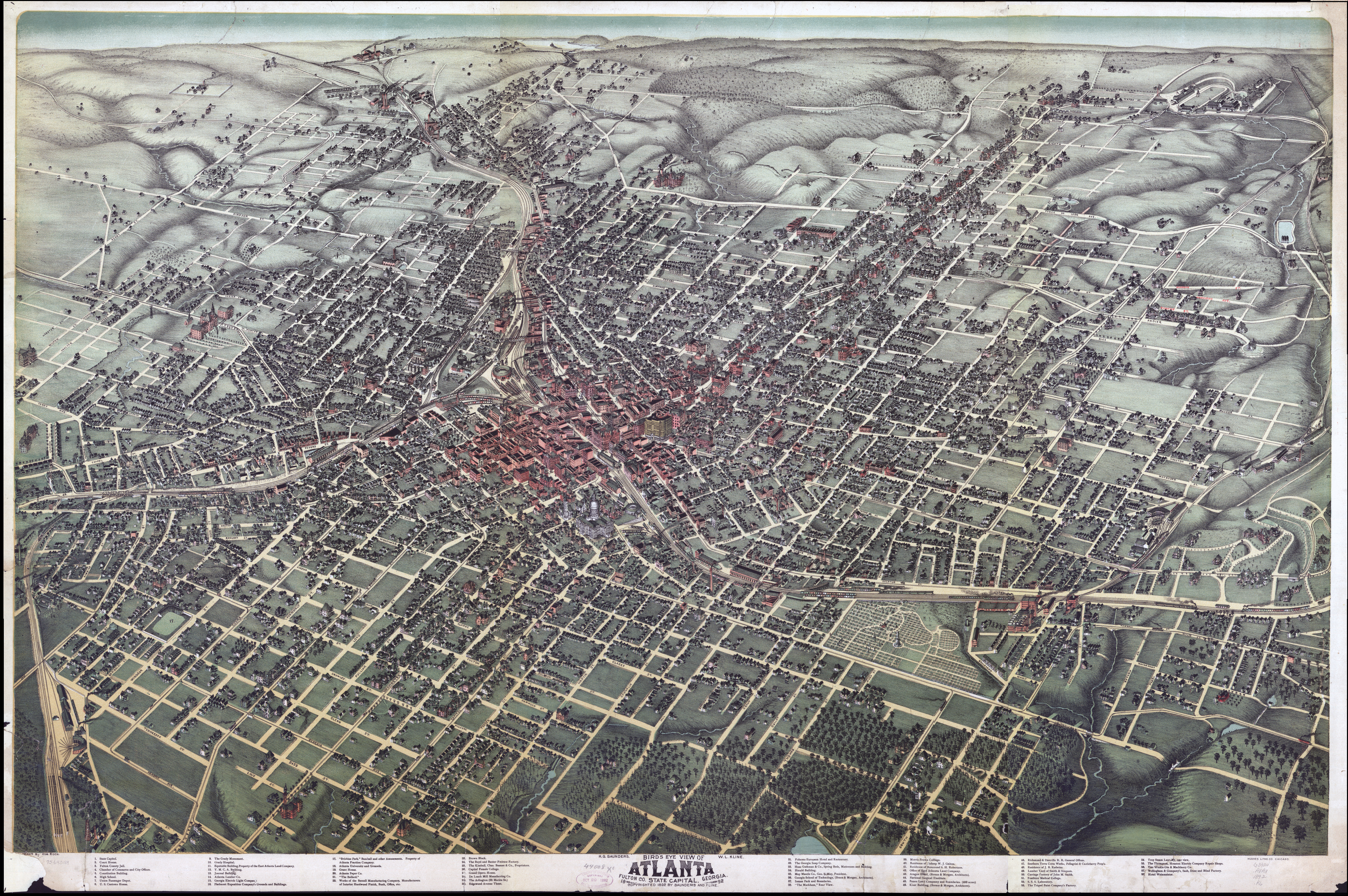
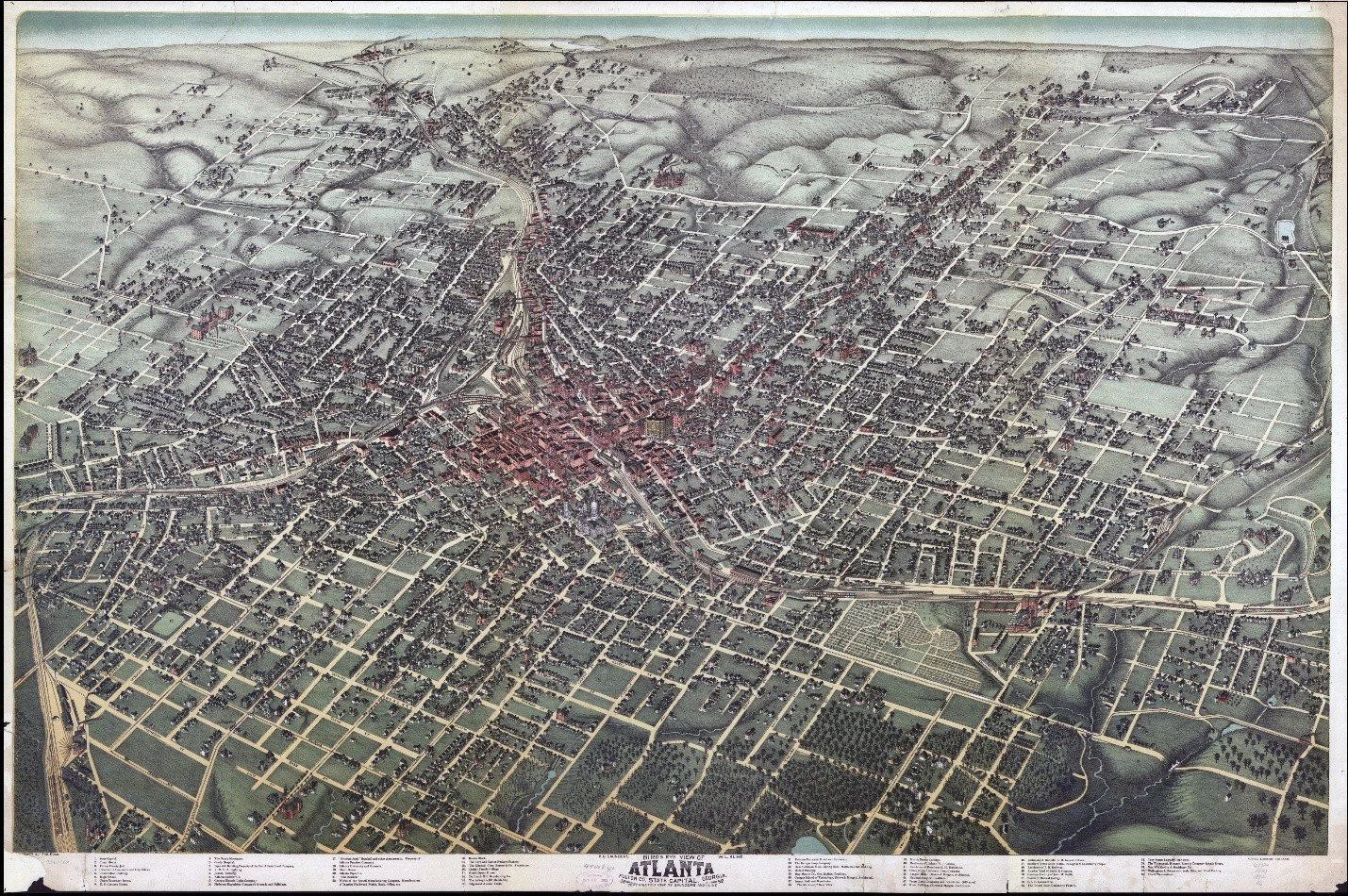
Figure 2. Detail of Bird’s Eye View of Atlanta, Fulton Co., State Capital, Georgia, drawn by Augustus Koch, published by Saunders and Kline, 1892. Credit: Library of Congress, Geography and Map Division.
Even as the overcrowded neighborhood grew in the early 20th century, the lowlands stayed largely unbuilt. A detail from the 1928 topographical atlas of Atlanta shows how homes were built with respect to the land they were on, leaving low-lying land around creeks undeveloped.
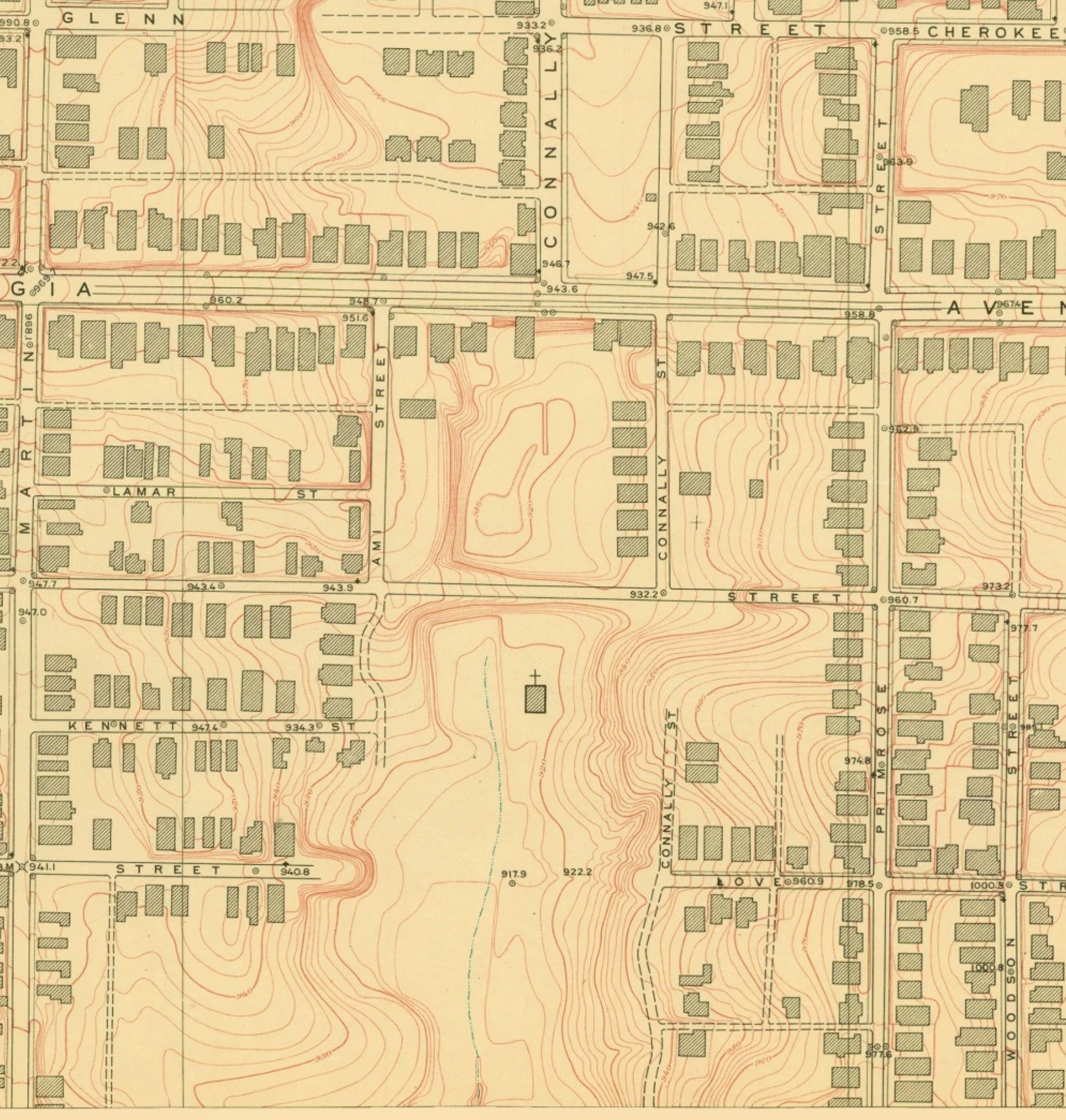
Figure 3. Detail from the 1928 Topographical Atlas of Atlanta. Credit: City of Atlanta; digitized by Emory Center for Digital Scholarship, ATLMaps.
The creek that shaped the Bottom did not disappear. As Atlanta grew, the City piped its creeks into large combined sewer lines, and by 1947 the creek beneath the field ran underground. Today two great trunk lines, about 6½ and 7 feet across, run beneath the length of Cheney Field, some parts of them possibly dating to the late 19th century. First the creek and then the pipes kept the field open, and the land still drains the way it always has. Read more: “The City’s own plan put a flood-fighting pond on this field.”
What the neighborhood did next
The manner in which Cheney Stadium had been built, sidelining the views of residents, sparked residents to act. In 1949, the Atlanta Daily World reported that youth from the community, frustrated that the stadium was being built despite neighborhood objections, were now organizing to have a community center for the neighborhood. Young people made their voices heard, demanding a community space for themselves and decrying the lack of places for them to gather.
Their position came to the attention of Lottie Bailey Harris. Originally from Summerhill, Harris was one of only 33 women to graduate from Morehouse College during its brief coeducational period, and a dynamic school principal. Working with the youth, she helped form and chaired the Summerhill Citizens Committee, which acquired a suitable space. It took collective efforts by neighbors for the space to become usable. A cement finisher volunteered to do all the concrete work, carpenters and painters chipped in, the youth raised funds to help set the space up, and the owner of the building offered it rent-free for the first two years.
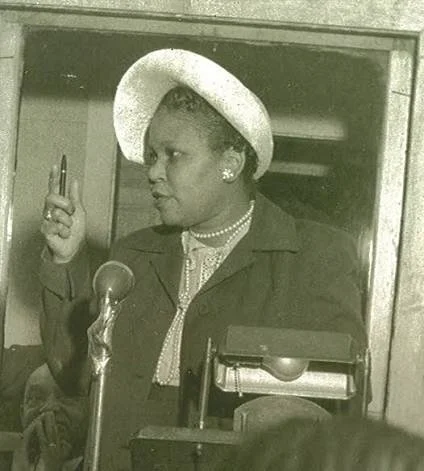
Figure 4. Lottie Bailey Harris. Credit: Skip Mason, Vanishing Black Atlanta History (Facebook group).
The neighbors lost the park. They did not lose their determination to have places to gather, and they built one themselves.
The decades that followed
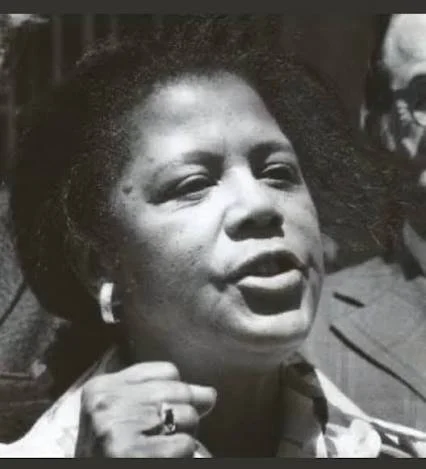
Figure 5. Mattie Ansley Jackson. Credit: Skip Mason, Vanishing Black Atlanta History (Facebook group).
Cheney Stadium was a small harbinger of developments to come. In 1965, the Milwaukee Braves agreed to relocate to Atlanta, and the Atlanta–Fulton County Stadium was built. In the same years, Summerhill was selected as the neighborhood through which both the I-75/85 Connector and I-20 would be built. Major thoroughfares like Washington Avenue disappeared and Georgia Avenue was split in two. According to Segregation By Design, roughly 3,400 people were displaced in Summerhill and Mechanicsville. Over the 1960s, thousands more residents were forced out of homes designated as within a slum. Spectators would park in the giant stadium lots, watch the game, and leave, almost never venturing into the neighborhood streets.
Neighbors continued to organize. In 1970, Andre Moore, a 15-year-old boy, was shot and killed by white police officers after running from them in Azar’s parking lot on Georgia Avenue. Mattie Ansley Jackson, who had been uprooted from her own home to make room for the Atlanta–Fulton County Stadium, confronted Mayor Sam Massell. For decades she fought the media’s portrayal of Summerhill as a slum and pressed the City for what the neighborhood needed, including a grocery store that was never built in her lifetime.
In the 1990s, yet another stadium came to Summerhill, this time for the 1996 Olympics. Ethel Mae Matthews and Atlanta Neighborhoods United for Fairness (A’NUFF) called for it to be built elsewhere. Doug Dean took a different path, seeking to use the Olympics to bring much-needed investment to the neighborhood. New homes were built on the north side of Summerhill, Georgia Avenue gained the streetlamps that remain today, and Cheney Stadium became the warmup track for the Olympic track and field athletes, with the field to the north used as practice ground for throwing events. Many other promises did not come to fruition, and the Olympics’ impact on the neighborhood was mixed at best. Through all of it, Cheney Field stayed open.
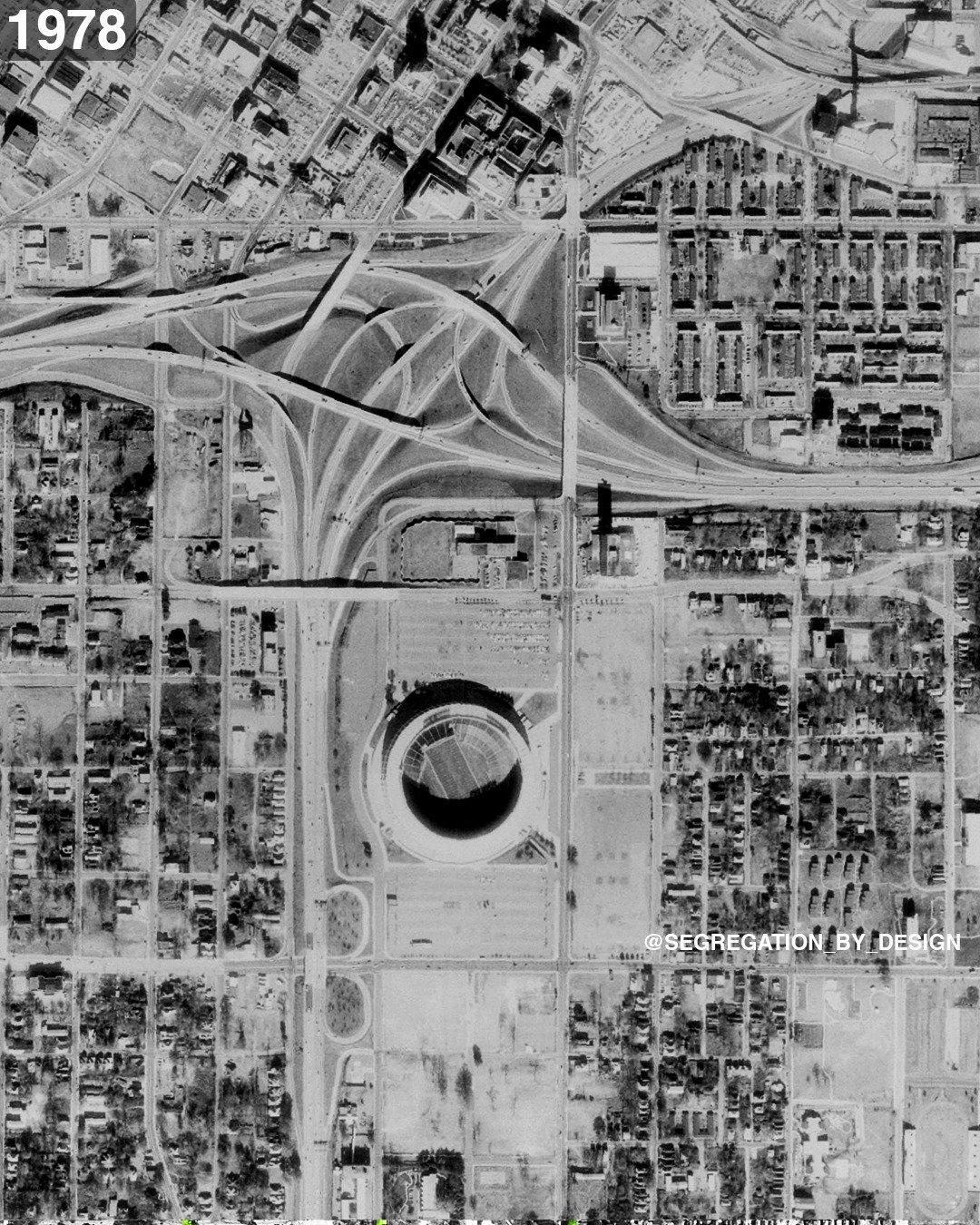
Figure 6. 1978 photograph of Summerhill showing the effects of more than 20 years of “urban renewal.” Credit: Segregation By Design.
Today
In 2017, the Atlanta Track Club worked with APS to resurface the Olympic track on the former Cheney Stadium site. The running club raised $500,000 for this venture, and in exchange received an ongoing permit from APS to use the track outside of school hours. The running track remains a vibrant, much-enjoyed feature in the Summerhill community today. The part of the field to the north of the track remains green space, enjoyed by flag football players, residents old and new, and even the occasional javelin thrower. Across Ami Street, the former McGill Elementary School site, where a school once stood, is now a fenced lawn.
In 2015, neighbors worked with Park Pride on a vision plan for Summerhill’s parks. It kept the track and imagined the north half as fields, gathering places and ponds that soak up rain. Nearly 70 years after Mayor Hartsfield’s promise, the neighborhood drew the park it had asked for. Read more: “In 2015, neighbors planned a park here.”
Figure 7. Cheney Field as imagined in the 2015 Parks of Summerhill Vision Plan, with Georgia Avenue at the top and Little Street at the bottom. North of the existing track: a ball field (P), stormwater ponds (U), a gazebo (Q), a pavilion and gathering space (S), a fountain (V) and a walking promenade across the field (R). Credit: Park Pride, Parks of Summerhill Vision Plan, 2015.
Now Cheney Field’s future is in question. The Atlanta Track Club has proposed a 175,000-square-foot indoor track facility on the field. It would be the first time in the field’s known history that most of it would be covered by a building.
In 1947, the Atlanta Board of Education decided the future of the Bottom over the objections of the people who lived around it. On November 2, 2026, the Board is expected to decide the future of Cheney Field again. For 161 years, the people of this neighborhood have withstood impoverishment, disrespect and disinterest, and the field has stayed open through all of it. This time, the neighborhood is asking the Board to listen. Join us.
¹ As an example, in her Courage to Dissent (Oxford University Press, 2011), Tomiko Brown-Nagin describes what unfolded in 1941 after Black teachers brought the issue of higher pay to the Board of Education. In response, Jarrell organized a meeting with the Atlanta Public School Teachers’ Association’s executive board to “identify how they could avoid” Black teachers’ equalization with white teachers’ salaries. After the Brown Supreme Court decision, Jarrell refused to desegregate APS and resigned instead.
² “Contract Let for New Irwin Street School,” Atlanta Daily World, August 12, 1948, which reported a construction contract of $261,833 for the W. O. Cheney Athletic Stadium.